
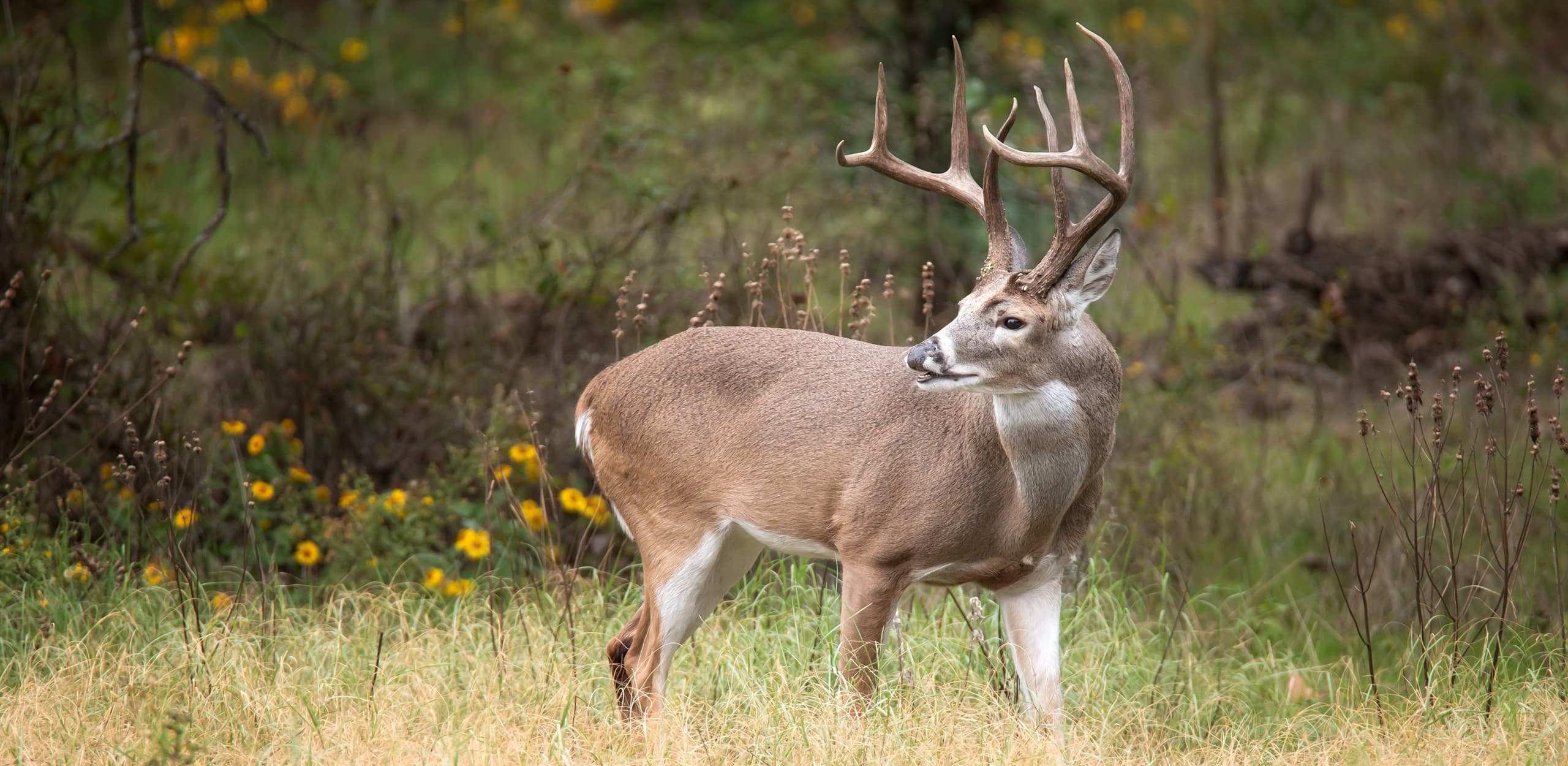
Every fall, the same question takes over deer camp: when's the rut going to hit? Unlike duck migration, which shifts around based on weather every single year, the rut is one of the most predictable events in the woods — you just have to understand what's actually driving it.
It's not the weather, and it's not the moon
A lot of hunting folklore points to cold fronts, moon phase, or even acorn crops as the trigger for the rut. The science doesn't back that up. Rut timing is controlled by photoperiod — the shrinking ratio of daylight to darkness as the calendar moves past the fall equinox. As days get shorter, melatonin production in deer increases, which kicks off the hormonal chain that leads does into estrus and bucks into full rut behavior.
Because daylight length doesn't change based on the weather, this is remarkably consistent. Biologists can predict peak breeding dates within a 3-5 day window, year after year, for a given latitude. Weather, temperature, and moon phase can all influence how much deer move during daylight and how visible that movement is to hunters — but they don't shift when the rut actually happens.
Peak timing by region
Because it's driven by latitude, not local conditions, rut timing follows a rough north-to-south pattern:
Northern tier (Minnesota, Wisconsin, upper Michigan, Maine): peaks roughly November 5-12.
Mid-latitude (Iowa, Kansas, Missouri, Illinois, Indiana, Ohio): peaks roughly November 8-16.
Upper South (Virginia, Tennessee, Kentucky, North Carolina): peaks roughly November 10-20.
Deep South (Georgia, Alabama, Mississippi, South Carolina): far less consistent, ranging from October into February depending on the specific area.
Texas Hill Country and Rocky Mountain whitetail: mid-to-late November, similar to the northern tier.
South Texas: often not until December into January.
The Deep South's wide variation traces back to deer restoration efforts in the mid-1900s, when herds from very different source populations — including deer from as far apart as Wisconsin and Mexico — were relocated to rebuild populations across the South. Those source herds had different natural breeding windows, and that variation still shows up on the landscape today.
The rut isn't one event, it's several phases
The biggest misconception is treating "the rut" like a single day. It's really a multi-week process, and each phase hunts differently.
Pre-rut (mid-October): bucks shift into their fall range and start making primary scrapes and rubs to establish dominance. Daylight movement is still fairly limited.
Seeking (late October into early November): bucks start actively searching for does nearing estrus, ranging more widely and moving more during daylight hours as hormone levels climb.
Chasing (early-to-mid November in most regions): bucks are visibly pursuing does that are close to breeding readiness. This is often the most exciting phase to watch, but not necessarily the most productive to hunt, since movement is erratic and hard to pattern.
Lockdown (peak breeding): once a buck finds a receptive doe, he'll stay tight with her for 24-48 hours while breeding. Sightings often drop sharply during this phase — not because bucks have disappeared, but because they've paired off and stopped moving widely. A lot of hunters mistake this quiet stretch for the rut being over.
Second rut (first half of December): does that weren't bred during the peak, along with doe fawns reaching maturity for the first time, come into estrus again roughly 28 days later. It's a smaller, quieter wave of activity, but it can produce good daylight movement well after most hunters have written the season off.
Why the phase matters more than the date
Knowing your region's general window is useful, but the phase you're hunting matters just as much as the date on the calendar — daylight movement, what tactics work, and where deer are likely to be all change from one phase to the next. That's the piece a single "the rut starts on X date" answer can't give you.
That's exactly what our 2026 Whitetail Rut Calendar is built around — phase-by-phase timing for your region, not just a date on a calendar.
Informational only. Seasons, bag limits, zones, and draw/tag rules vary by state and change every year — always confirm the specifics with your state wildlife agency before you head out.
Go deeper
2026 Whitetail Rut Calendar
Phase-by-phase timing so you burn your vacation days on the right week.
Want this dialed in for your hunt?
Gus takes the basics here and makes them specific — your state, your species, live conditions right now. Ask him anything.
Try Gus Free for 7 Days